In the final weeks of the school year, reflection is important. It’s a way to help kids review what they’ve learned, think about the skills they’ve grown, and feel proud of their individual progress. Reflection also allows for closure at the end of the year, allowing kids to cherish the memories they’ve experienced and say “goodbye” in a healthy way.
Why focus on reflection at the end of the year?
Reflection allows for closure. Moving on can be tough for kids and teens, but reflection helps. Thinking about the past year also helps kids process their emotions and positively think towards the future. It’s healthy to reminisce about the positive memories as students say goodbye to the year they’ve had.
Reflection supports learning. Reflection is the practice of thinking back about what we’ve done, learned, and experience. These activities can help students make sense of what topics, skills, and ideas they’ve learned throughout the year. It also paves the way for students to think about what they might want to continue learning in the future.
It builds meaningful social-emotional skills. End of the year reflection allows for building lots of social-emotional skills – growth mindset, self-awareness, flexibility, and perseverance are just a few.
Reflection can inform future instruction. Students can end up providing teachers with valuable feedback from the past year. This includes what worked well and what didn’t, allowing educators to make changes for next year’s students.
It builds meaningful relationships. As kids reminisce about their memories together, they build stronger bonds. Even if these students are moving on from your class, many of them will continue growing together for many years to come.
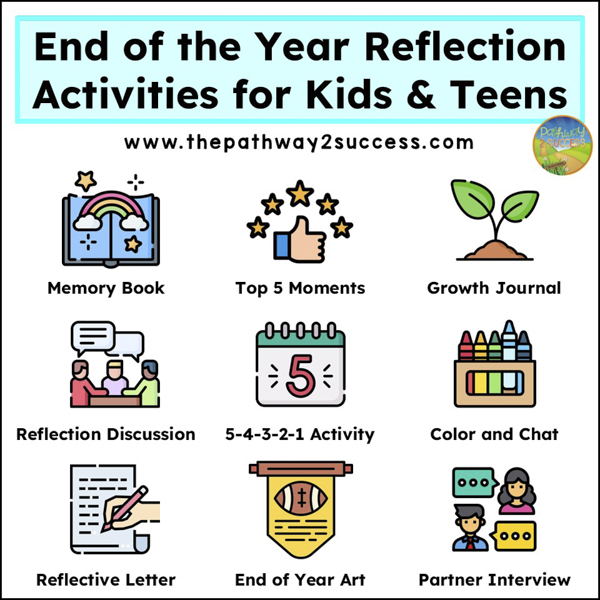
Below you’ll find 10+ engaging end of the year reflection activities to help your students finish off the school year strong.
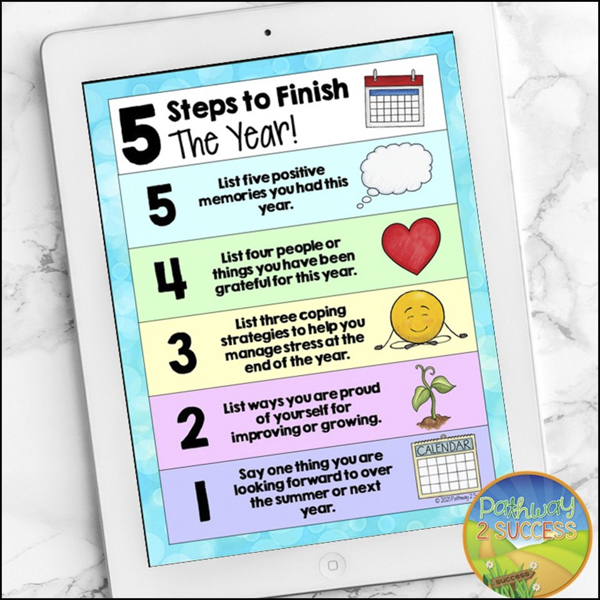
5 Steps to Finish the Year
Use a 5-step approach to help finish off the year in a fun and meaningful way. Each step targets a different social-emotional topic, allowing students to reflect and build SEL skills at the same time.
- 5 – List five positive memories you have had this year.
- 4 – List four people or things you have been grateful for this year.
- 3 – List three coping strategies to help you manage stress at the end of the year.
- 2 – List two ways you are proud of yourself for improving or growing.
- 1 – Say one thing you are looking forward to over the summer or next year.
You can give this activity a try on your own, or grab the full 5-Step End of the Year Activity to complete it as a booklet with your students.
End of the Year Memory Book
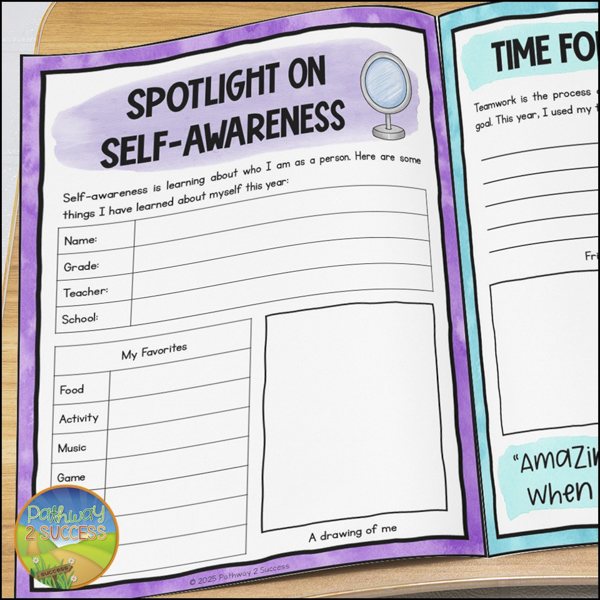
Have students create their own individual book filled with memories from the past year. They can start by listing their favorite things this year and draw a picture of themselves. Kids can then write about difference experiences they’ve had, such as times working with friends and what skills they’ve built. Use this free end of the year memory book to get started. Once finished, students can share their memory books with others.
Reflection Discussion
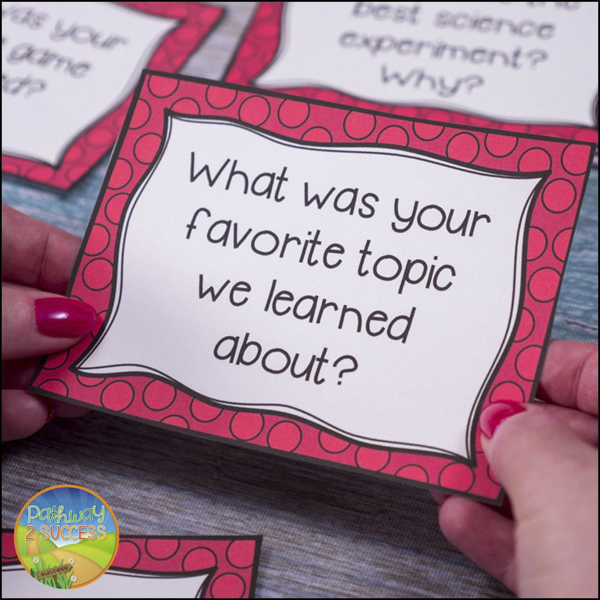
Hold class discussion for students to share their thoughts about the school year. Guide the conversation with open-ended discussions to encourage deeper reflection:
- What topics did you learn the most about this year?
- What are some skills you improved this year?
- What lessons did you learn this year?
- What did you learn about yourself this year?
- What was the most challenging part of this year?
- What do you look forward to for next year?
After a group discussion, you can choose to extend the activity with journal writing. Students can choose one (or more) of the questions and reflect independently.
Growth Journal
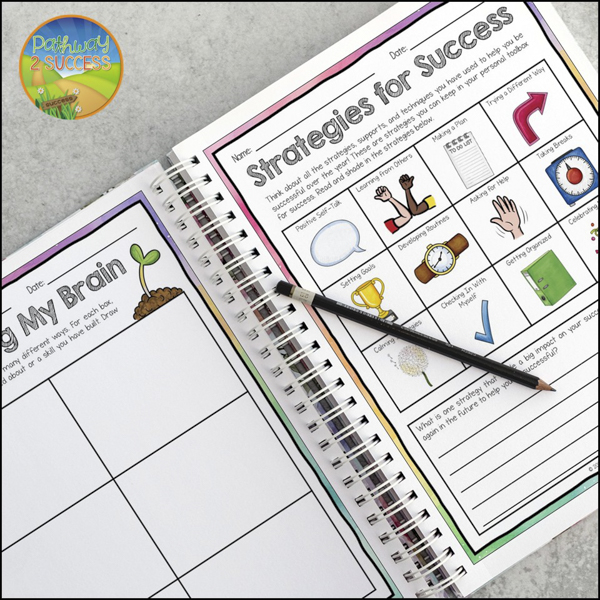
Have students use a journal to specifically reflect on their growth this year. Students can write about different ways they’ve grown their brain and which strategies helped them be successful. This reflection activity really encourages students to dig deeper by considering what worked and why, valuable information for the next year to come. Grab this end of the year growth journal to give it a try.
End of the Year Pennant
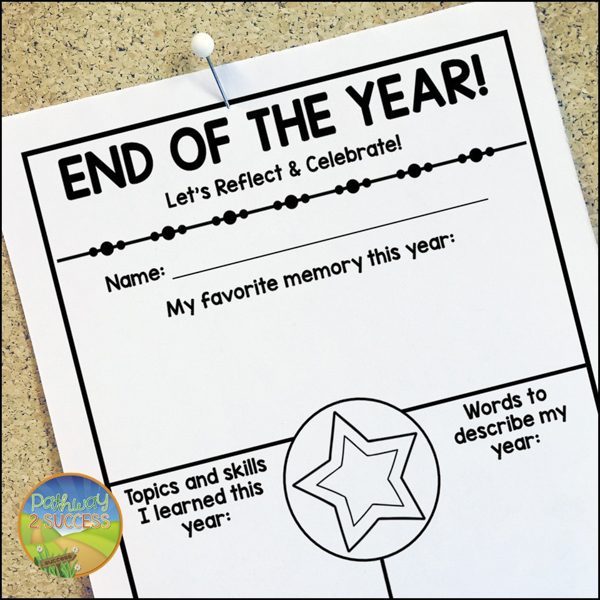
Have students create an end of the year pennant to reflect on favorite memories and topics they’ve learned throughout the year. Once students finish and color their pennants, you can post them as a bulletin board to showcase what you’ve learned together.
Top 5 Moments
Have students create a list of their top five moments from the past year. It’s important to stress that the top 5 moments don’t have to just be “fun” moments. Instead, try to consider a range of experiences – moments that helped you build skills, learn a valuable lesson, or understand yourself in a new way.
Some questions to brainstorm:
- What moments made you feel proud?
- What moments helped you build meaningful relationships?
- What moments challenged you?
- What moments were the most fun?
- What moments were tough in the moment, but helped you learn in the end?
- What moments will you remember 10 years from now?
Once students have their list, ask them to share why these moments were significant. Students can share in writing or aloud during a group discussion.
Partner Interview
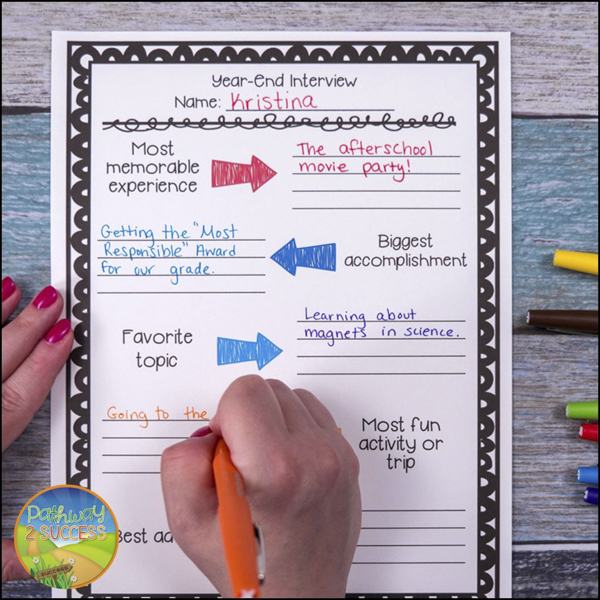
Have students work with a partner to interview each other about their experiences from the past year. Students can discuss their most memorable experiences, biggest accomplishments, favorite topics, and more. Once students have finished interviewing their partner, they can present that information to the class. As a bonus, this activity provides students a chance to build their communication, active listening, and perspective-taking skills.
Class Memory Book
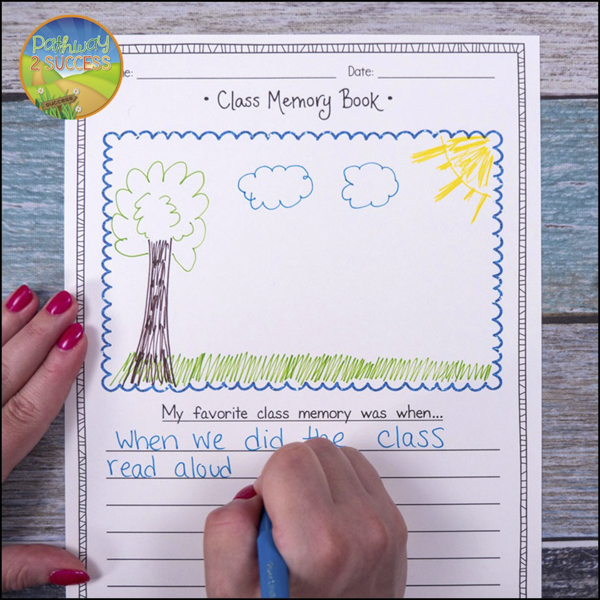
A class memory book is a collaborative project that helps capture many special moments throughout the year. Start by brainstorming a list of favorite moments and memories. These might include field trips, special days, experiments, fun projects, funny moments, or just learning about an interesting topic.
Next, have students each choose their favorite memory to write and draw about. Once all students have completed this activity, you can put them all together to create your own class memory book. Make copies for students to bring home with them as a special keepsake from the past year.
End of the Year Collage
Have students work with a partner or team to create a collaborative end of the year collage. While this activity can be done independently, completing the collage with others helps foster collaboration and teamwork skills. Students can add pictures, words, phrases, and drawings to illustrate experiences from the past school year. Some ideas to include:
- Pictures of field trips, school events, topics, or activities
- Visual representations of topics they’ve learned, such as an image of the moon for learning about the phases of the moon in science
- Quotes or phrases that summarize the year or lessons they’ve learned
After groups complete their collages, give students a chance to present them to the class. Then, display the finished collages in a common area like a bulletin board. These can also remain up as a “preview” for the next group of students coming in the fall.
Bulletin Board
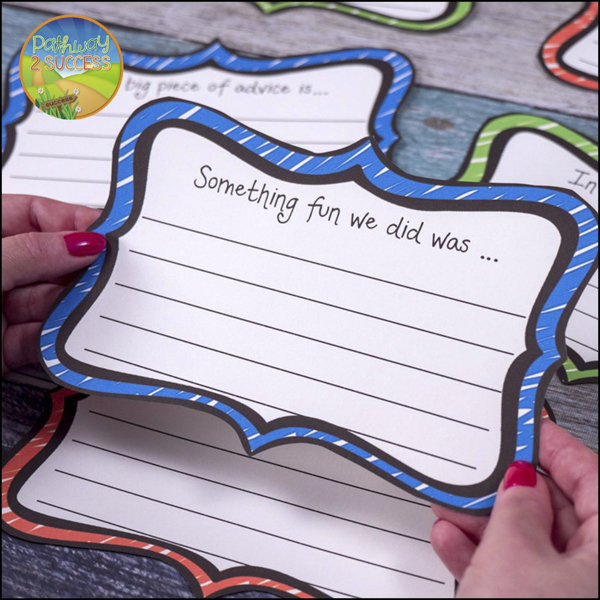
Turn your end of the year reflection into a collaborative group activity by making a bulletin board together. Have students reflect by responding to these sentence starters:
- Something fun we did was…
- Something I learned was…
- This year was fun because…
- We worked as a team when…
- We felt challenged when…
You can also add unique sentence starters, or have students come up with their own. Once finished, save yourself time by posting these up as a bulletin board to welcome your group of students for next year.
End of the Year Coloring and Chat
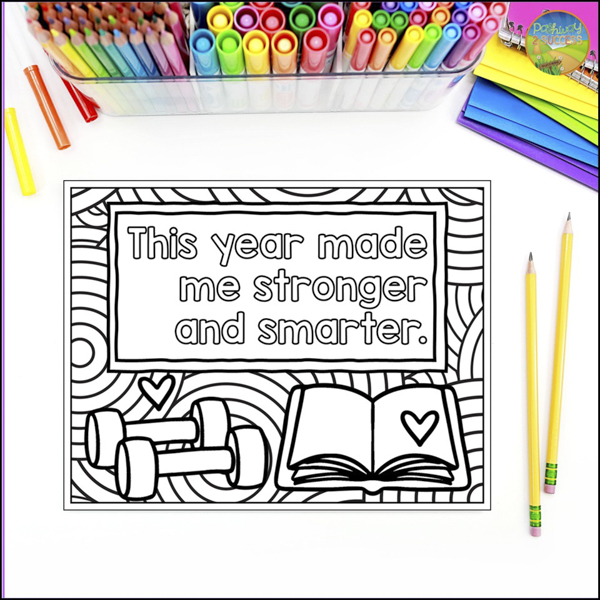
Provide students with end of the year coloring sheets that focus on reflection, growth, and finishing off the year strong. Students can color while discussing the best parts of the school year in small groups. You can also add in positive affirmations for the end of the year like, “This year made me stronger and smarter.”
Reflective Letter to Self
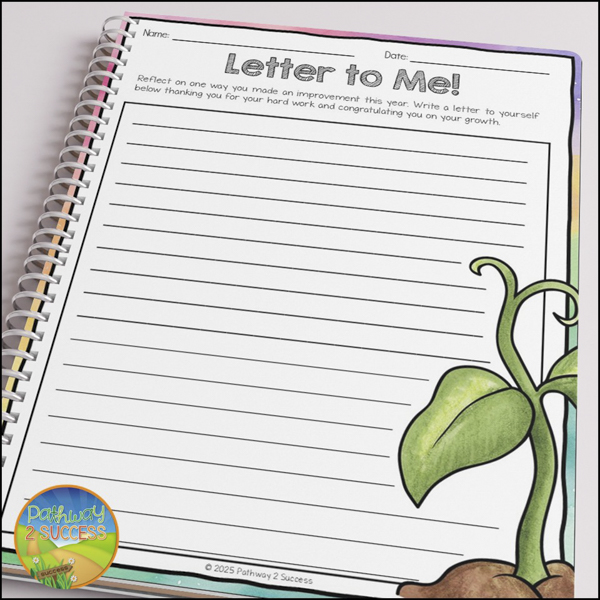
Have students write a letter to themselves, reflecting on at least one way they have made an improvement this year. This could be improving math skills, making new friends, or getting better at basketball – really anything that focuses on how students have grown in the past year. Encourage students to think deeply about which strategies and supports helped them make an improvement, and how they could carry that growth with them into the year ahead.
Discuss Quotes
Discuss some engaging quotes with a special focus on perseverance. Using quotes is really easy – just read the quote and discuss what it means together. Encourage students to think about how it applies to their year. Some to try include:
- “The biggest accomplishments start with just one small step.”
- “Success is not a paved road.”
- “Prepare today for the world you want tomorrow.”
- “You are enough and a work in progress all at the same time.”
Making Your End of the Year Count
In summary, there are many different ways to integrate reflection time into your end of year activities. Whether it’s a short group discussion or a longer project, reflection time is a healthy way to review progress and close out the school year in a positive way. If you need a little more support, grab this set of end of the year activities to make your end of the year count!



Leave a Reply