Learning doesn’t have to stop just because the school year ends. In fact, summer break is the perfect time for kids and teens to explore activities, give different hobbies a try, and just learn something new. Without the typical constrains of a regular school schedule, kids can be free to step outside of their comfort zone a little bit more than usual. With the right activities, we can help make summer fun and strengthen skills for success at the very same time. That’s exactly why you’ll find a list below filled with over 50 fun, creative, and meaningful strategies for the summertime. Read through and find the activities that work best for you.
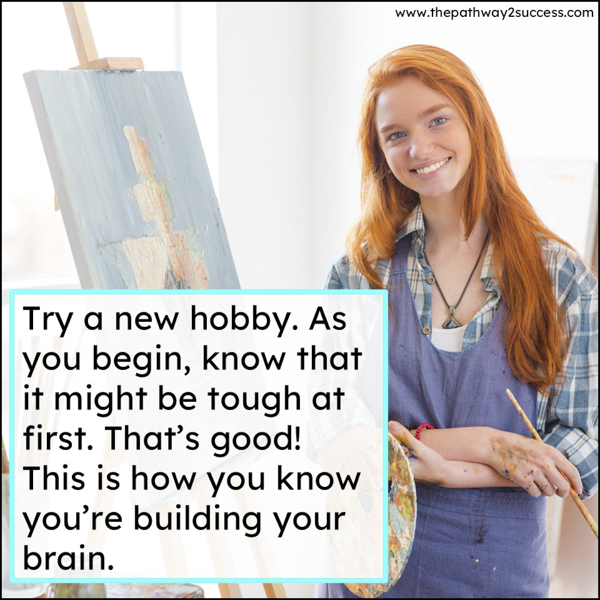
Try a new hobby.
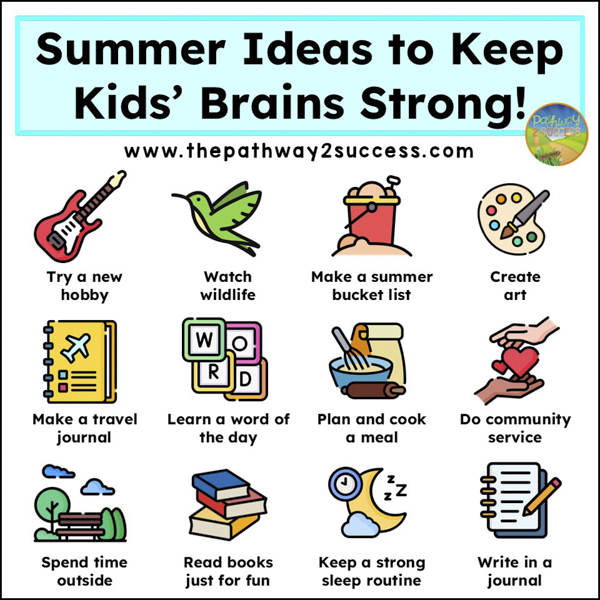
Start by giving a new activity a try. Consider things like painting, playing piano, knitting, cooking, birding, or skateboarding. You can even make a list together and pick from it randomly. Whatever activity you choose, remind kids that trying a new hobby or activity can be tough. You’re going to struggle at times, and that’s a good thing – that’s how we build our brains and learn new skills. It’s a great exercise in embracing a growth mindset and building perseverance.
Get curious about something new.
Make a list of different topics that are interesting – this can include anything from animals like Bald Eagles and elephants to periods in history. Choose something from your list and find ways to learn about it. Try watching documentaries, reading books, listening to podcasts, or even finding online courses. Some questions to help get you started:
- What are some topics that are interesting to me?
- What’s something I’d like to learn about, but never had the time to?
- What topics do I wish were taught in school?
- What skills or activities would I like to learn more about?
- What is something I don’t know much about?
Watch wildlife.
Spend time outside to just watch and observe animals in their natural habitat. Look into state parks or nature preserves nearby to get started. You might see squirrels chasing each other or birds flying together in a flock. As you observe, consider taking photos or drawing what you see.
Some other extension activities you can try after watching wildlife might be:
- Learn facts about the wildlife you observed.
- Write an essay or book about wildlife in your area.
- Discuss observations and draw inferences about what you witnessed.
- Read books on different wildlife in your area.
Create a summer bucket list.
Write down activities and experiences you’d like to have before summer comes to a close. This can help build skills for planning, thinking ahead, and working on goals. You might add things like visiting a local water park, painting a picture, or getting ice cream from your favorite shop. Keep the activities varied and check them off as you complete them throughout the summer months.
Practice reducing technology time.
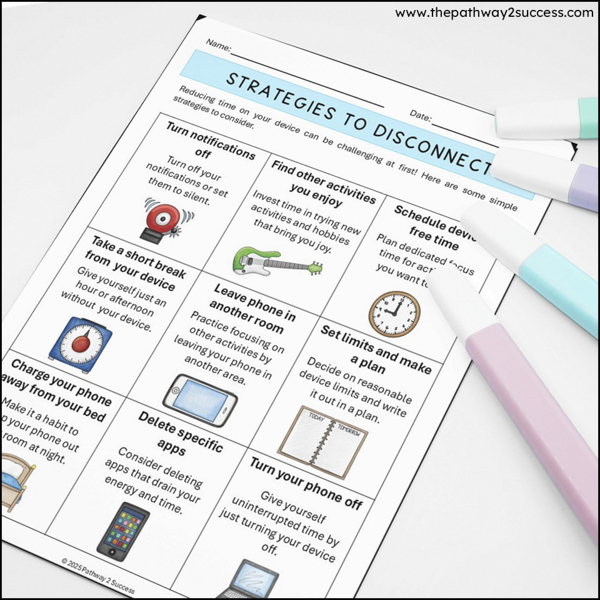
Set aside device-free time in the day. Use this time to read, relax, practice a hobby, organize spaces, or just hold meaningful chats. If you need a little help with buy-in for reducing technology time, use these device-free worksheets to start the conversation. The worksheets explain why it’s helpful to put our devices down from time to time and provide some sample activities to try instead.
Embrace boredom.
Give time to be bored without having a specific set agenda for what to do. A dose of boredom paves the way for creativity, problem-solving, and exploration. Instead of saying, “I’m bored,” try asking, “What could I do right now?” If you’re still not sure, just sit and relax. By embracing the boredom, you will figure it out!
Try a daily mindfulness practice.
Practicing mindfulness on a regular basis supports a bunch of positive outcomes like improved focus, stronger emotional regulation, and even improved sleep. Develop a routine to practice mindfulness on a daily basis. To get started, try sitting and practicing mindful breathing for just 10 minutes at a time. You can even make this everyday practice more interesting by adding other mindful activities like mindful coloring, mindful listening, or mindful eating.
Recite positive affirmations.
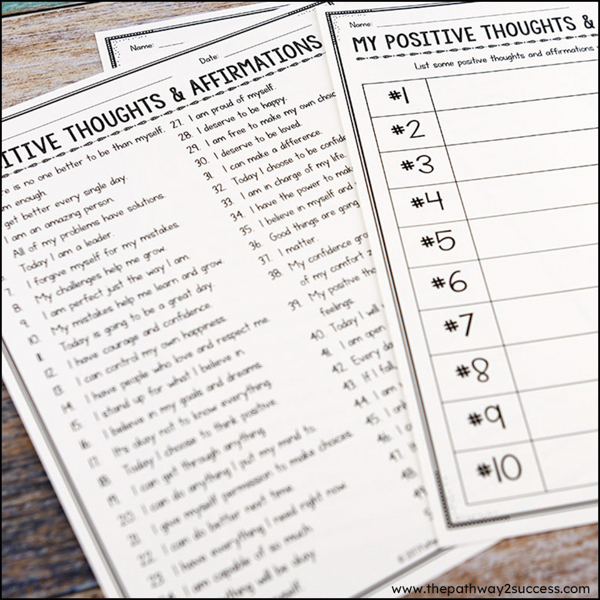
Reciting positive affirmations can help boost confidence and manage stress on the spot. Start by reading from a simple list of positive self-talk statements. Some phrases might include “I am a masterpiece,” and “Today will be a great day.” Choose your favorites and make your own individualized lists to recite.
Play board games.
Get together in a small group to play some classic board games. Some fun games to try include Scrabble, Clue, 5-Second Rule, Pictionary, or Monopoly. Board games can be a great way to promote social interaction, strategic thinking, and good sportsmanship. If you need somewhere to start, try a free printable kindness board game.
Create a travel journal.
Put together a notebook to document your summer travels. For each new place you go, write a paragraph or more about the experience as a storytelling exercise. You can draw an image, add a photo from the trip itself, or include small items from the trip like ticket stubs. Lastly, you can finish off each travel journal entry by including a reflection of three interesting things you noticed or learned during the trip.
Create your own podcast.
A podcast is a space for people to share ideas and explore interesting topics. They’re also a great way to practice storytelling and building communication skills. Some strategies for starting your own podcast include:
- Research and listen to kid-friendly podcasts that interest you.
- Come up with a list of topics you’d like to address on a podcast of your own.
- Make a list of people you’d like to interview on podcasts.
- Research podcasting software and equipment like microphones and apps.
- Write a script or outline for a podcast you’d like to try.
- Record and edit your podcast episodes.
Solve brainteasers and riddles.
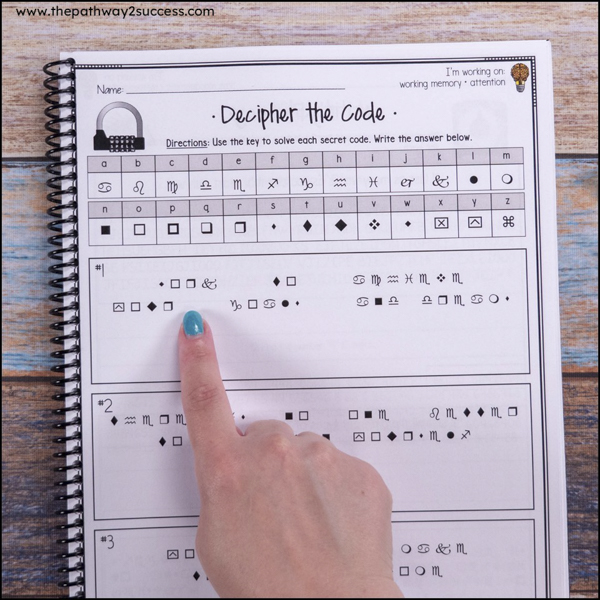
Engage your critical thinking abilities with puzzles, wordplay games, and riddle challenges. Each brain game activity builds different skills like building attention, problem-solving, mental flexibility, and perseverance. Come up with your own brainteasers or get started with an executive functioning brain games workbook.
Write and illustrate a story.
Become an author by writing your own unique short stories. You can start with an interesting prompt like “She opened the door to find a glowing box.” Another idea is to start with an imaginary situation – imagine you are a superhero with a unique special power to help others in the world. You can even choose to illustrate your stories as you go.
Create art.
Take some time to get creative and create art. The good news is that there are many options in this realm – you can try drawing, painting, coloring, or sculpting with clay. Art activities are a fantastic way to build a number of social-emotional skills at the same time like planning, self-control, self-compassion, flexibility, perseverance, and more.
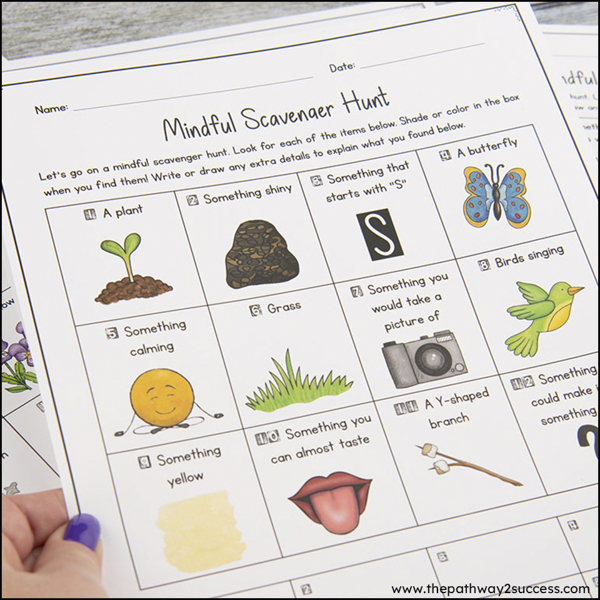
Go on a mindful scavenger hunt.
Create a list of things you hope to find outside. Add specific items like a bird’s nest, a leaf, and a bug. You can also list ideas focused on colors, sizes, or shapes such as “something green” or “something tiny.” Once you have a list, get outside and search. Looking for these items helps us be completely present in the moment.
Pick up an old hobby.
Use time in the summer as an excuse to pick up an old hobby that you haven’t invested much time in recently. Consider building something interesting with Legos, writing stories in a notebook, creating a rock collection, or drawing. Not only does this give you a fun activity to do, but it can help bring up positive memories from the past too.
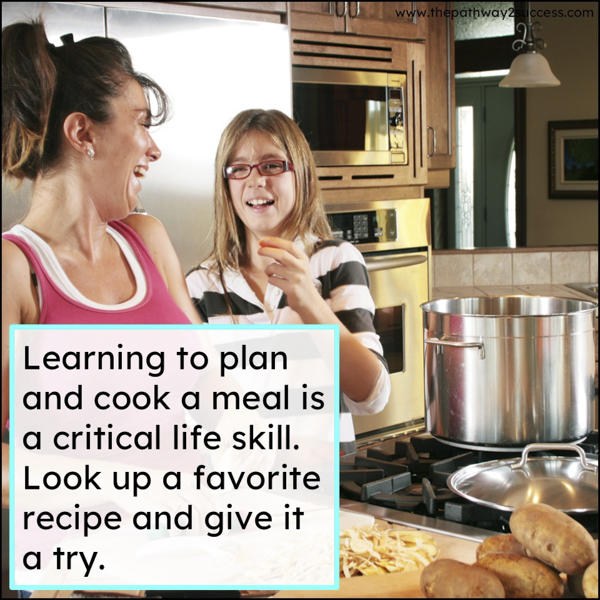
Plan and cook a meal.
Preparing a meal builds on a number of skills like planning, organization, focus, and problem-solving. Another bonus is that learning to cook is an important life skill for now and the future. Here are some simple steps to help get you started:
- Start by coming up with an idea for a meal. You might browse the internet or pull out old cook books for inspiration.
- Make a list of ingredients and shop together for what you need
- Put a plan together for the cooking process.
- Give the recipe a try. Be understanding if you make mistakes. Just keep working through the challenges!
- Taste the meal and review it together. Discuss what worked well and what you could improve for next time.
Make a scrapbook or photo album.
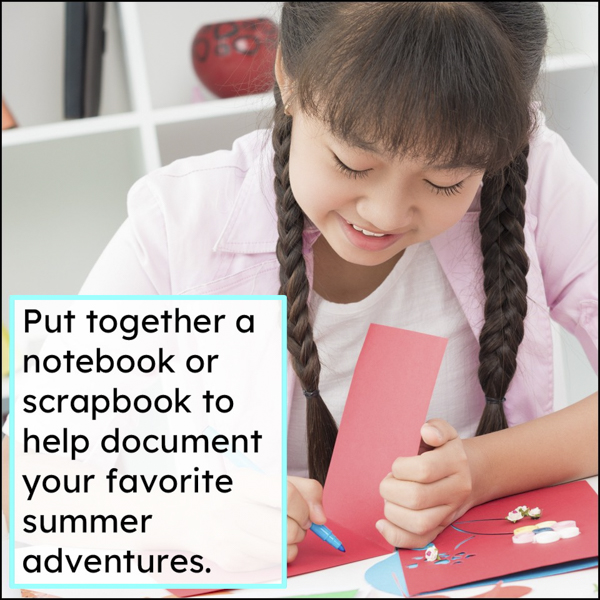
Document some of your favorite adventures with a scrapbook or photo album you create together. Start by collecting small mementos from adventures like ticket stubs, seashells, flowers, or other keepsakes. Put these together in a scrapbook along with photos and drawings to create a book of memories.
Learn a new language.
Learning a new language can be lots of fun, and it also helps boost your brain power! Start by considering which language you’d like to learn, such as Spanish, French, Japanese, or German. You can begin the process by using online apps like Duolingo or Rosetta Stone. You can learn independently, but it helps to have a friend learn alongside you so that you can practice together. Once you have some basics down, put your skills to the test by watching a movie or show in that language.
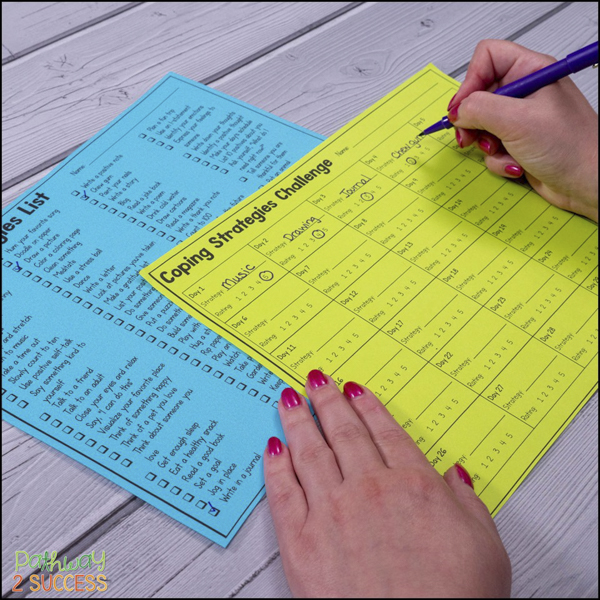
Try a coping strategies challenge.
Coping strategies are the activities we use to help manage our daily emotions and stress. As unique individuals, we all have our own strategies that work best for us. This makes a great case for embarking upon a coping strategies challenge. Each day, commit to trying a new coping strategy. Afterwards, discuss what the experience was like for you and when you might use that strategy in the future. Make it fun by getting started with a free coping strategies challenge. Here are a few techniques to try:
- Practice positive self-talk phrases
- Go for a walk, jog, or run outside
- Practice yoga postures or simple stretches
- Listen to music
- Write in a journal
- Try deep breathing exercises
- Color or draw
Play a trivia game.
Answering trivia questions helps you learn new ideas, strengthens your critical thinking, and builds memory. Best of all, trivia can include a variety of different topics and subjects including history, math, movies, animals, food, sports, and anything else you can imagine. Use a game with trivia questions like Blurt, or start with an online list of trivia questions to give it a try.
Visit a new park.
Summer is the perfect time to get up and explore new places. Use the internet to search and find local parks that you haven’t been to yet. These can be more well-known spaces like state parks, or they can just be small hiking spots. Make a list of a few places you’d like to check out. Then, make it happen! Keep your list somewhere visible and make it a point to explore new spots once a week or so.
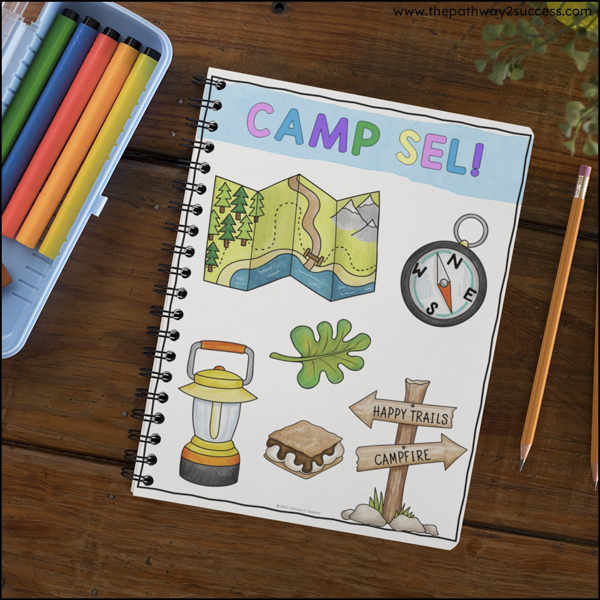
Create your own SEL summer camp.
Use “Camp SEL” activities to help boost your social-emotional skills while “visiting” locations like confidence canyon and responsibility river. The activities even come with badges you can earn after you complete each mini-lesson along the way.
Practice coding.
Practicing coding can be a fun and engaging activity for tech-saavy kids and teens. Consider trying out Code.org, an online platform with lessons and practice for kids of all ages. The activities start out simple, allowing kids to build their skillset as they learn more about programming. The challenges ultimately help learners build skills for problem-solving, logical thinking, perseverance, and more.
Volunteer with a local charity or organization.
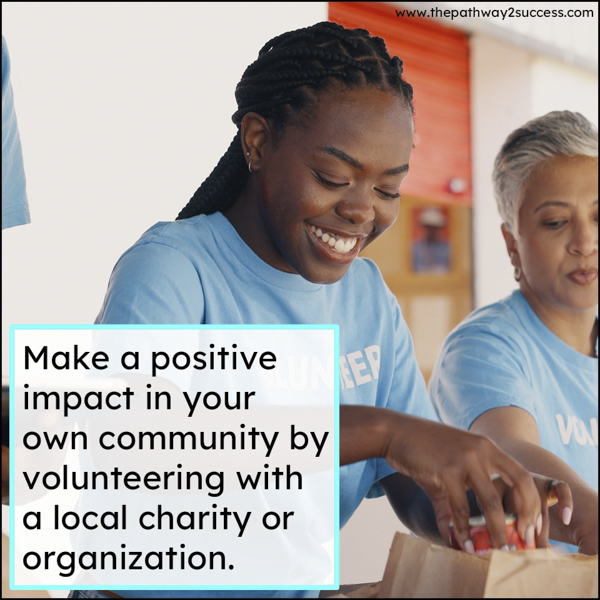
Make a positive impact in your own local community by volunteering with a charity or organization. You can start by making a list of organizations in your area like food banks, animals shelters, wildlife groups, or park cleanup teams. Then, choose one that matters to you. Consider signing up with friends to make it a fun social activity – you can have fun with friends and give back to your community at the same time.
Learn a new dance.
Embrace your creative side by learning a new dance routine. This can help build skills for creativity, self-expression, confidence, and focus. Most of all, dancing can just make you feel good! You can start by watching online tutorials and practicing routines. Once you’ve got the dance routine down, feel free to record it and share with others.
Try some science experiments.
Get hands-on with some science experiments. Every experiment provides a meaningful way to allow develop skills for following instructions, critical thinking, and problem-solving. Here are a few fun ideas to test out:
- Build a Volcano – Construct your own volcano and use baking soda and vinegar to make a big reaction.
- Make Slime – Explore different recipes to create the perfect slime.
- Explore What Sinks and Floats – Test out various objects in your home to see what sinks and what floats.
Practice mindful breathing.
Mindful breathing is an excellent “tool” to have in your toolbox; practicing mindful breathing on a regular basis can help calm your mind, build your focus, and manage your stress. Start by sitting in a comfortable position. Slowly breathe in and slowly breathe out. Focus on your breath through the inhales and the exhales. Once you have the idea down, you can try other mindful breathing exercises:
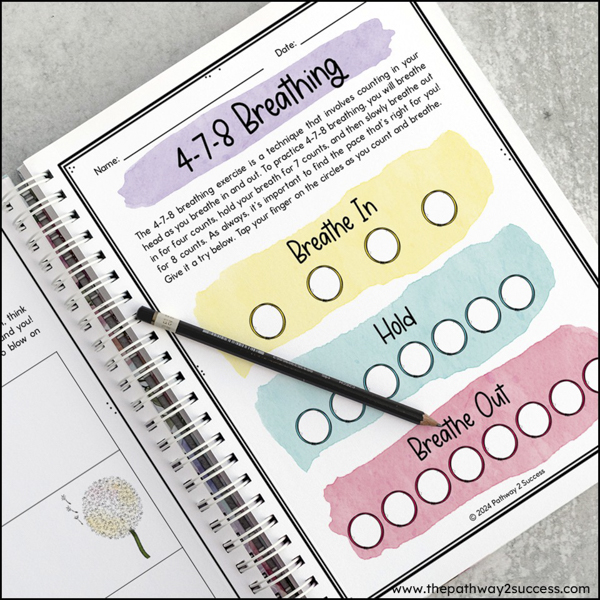
- 4-7-8 Breathing – Sit in a comfortable position. Breathe in slowly to the count of four. Hold your breath for a count of seven. Then, slowly breathe out for the count of eight.
- Heartbeat Breathing – Place your hand over your heart. Slowly breathe in and out.
- Cool Off the Pizza – Imagine you have a hot slice of pizza in front of you. Slowly breathe in to smell the pizza. Then, slowly breathe out to cool off the pizza.
Need more ideas? Grab your own mindful breathing workbook filled with engaging exercises to try!
Practice yoga.
Yoga is the practice of holding postures for a period of time. At first glance, it’s an exercise and movement activity, but truly is so much more; yoga is an evidence-based practice for stronger self-regulation and focus skills. To get started, you can find a local yoga studio and sign up for a class. Another simple option is to search for kid-friendly yoga videos, allowing you to learn and following along on your own. Once you’re comfortable with a few postures, try starting your day with a yoga routine. It might be something you continue even after the summer is over!
Visit a museum.
Museums provide opportunities to learn about different topics like art, science, history, and more. Start by researching museums in your area. Make a list of some places you’d like to see. Then, make it happen! After you visit, reflect on what you learned.
Learn a word of the day.
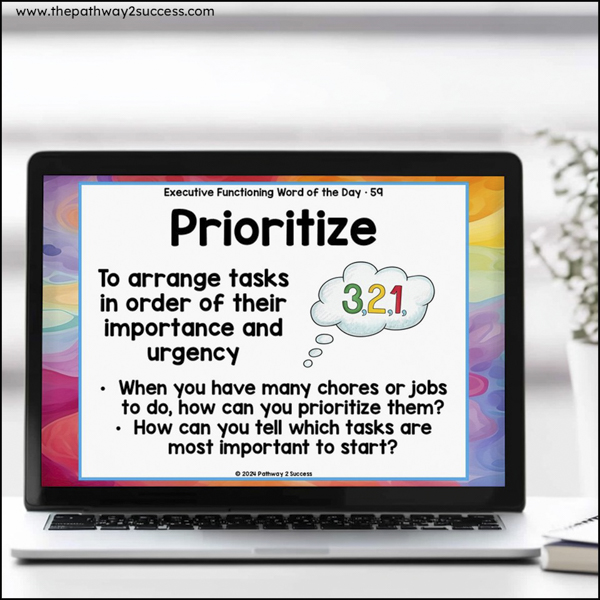
Explore new vocabulary by learning one word each day. Recite the word together, discuss what it means, and practice using it in a sentence. You can start by learning any random word of the day or focus on a word of the day for building executive functioning skills. These are one of my favorites, since they target words and phrases that matter like concentration, self-directed, prioritize, and work ethic.
Go geocaching.
Geocaching is an activity where you follow clues to find hidden objects. You can think of it like a modern day treasure hunt. Check out kid-friendly geocaching apps to give it a try.
Learn a strategy game like chess.
Develop analytical thinking and problem-solving skills with a strategy game like chess. Other games to try include checkers, Battleship, or Qwirkle. Try playing for a short time and then take breaks, as needed, to boost your focus and concentration skills over time.
Build an outdoor obstacle course.
Get creative by building your own outdoor obstacle course. Choose an area of your yard and set up activities to make your way through. For example, you might add hula hoops on the ground to jump through, cones to zig-zag around, or a balance beam to walk across. Once your obstacle course is set up, time yourself as you make your way through. Consider what went well and what you’d like to change. Then, make adjustments and try again. This can also be a fun activity to invite neighborhood friends to join in.
Teach a skill to someone else.
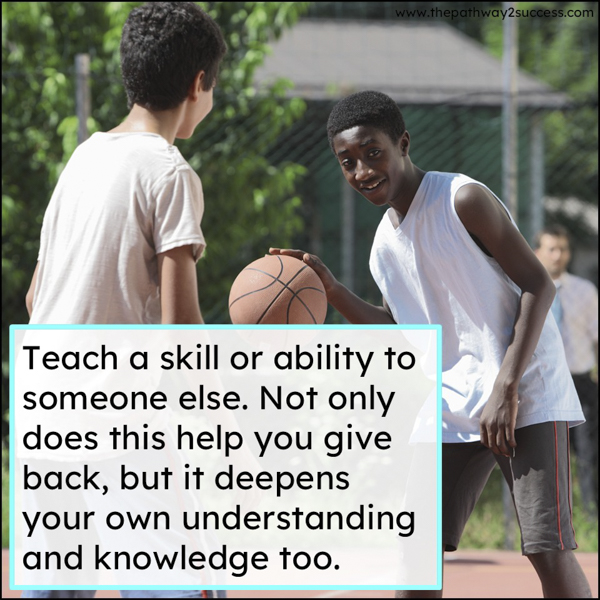
Teaching a skill or ability to someone else helps deepen your own knowledge. Think about the topics and skill you are already proficient with. Perhaps you have a strong understanding of basketball, can draw nature scenes well, or know how to play a certain instrument. Take one activity and make a plan to teach it to someone else. This builds skills for communication as you explain the skill and leadership as you direct the learning process. As a bonus, it will help you learn the skill better yourself too.
Blow bubbles outside.
Blowing bubbles outside might seem like a silly activity for little kids, but it’s truly much more! As you blow the bubbles, you can build skills for deep breathing, mindfulness, and self-regulation. Slowly breathe in. Then, slowly breathe out to blow the bubbles. Watch them as they float by. Once you’ve given this a try, remember that you can use this mindful breathing strategy anytime you need a little extra calm and relaxation. Just slowly breathe in and breathe out like you are blowing bubbles. It’s a helpful mindful breathing strategy for your personal toolbox.
Read something for fun.
Sometimes during the school year, reading can feel rushed and less enjoyable. Use the summer time to find joy in reading again! Head over to the library and select some books that align with your personal interests, hobbies, and curiosities. You can even choose a book that’s outside of the norm from what you would normally read. Keep in mind that reading doesn’t just build your literacy skills; it also helps build critical thinking, empathy, imagination, perspective-taking, and more.
Create your own movie.
Become a director by planning and creating your own short film. Get together with a group of friends. Start by brainstorming ideas for your movie, including themes, characters, and plot. Write out a script of what you want to happen in your movie. Then, take turns acting out scenes and filming. You can use apps on your phone or computer to edit the recordings and put the finished movie together.
Plan a community service project.
Pass your time planning some community service projects. These types of projects can help you feel good by giving back to your local community, but they also build skills like empathy, responsibility, task initiation, planning, and problem-solving. Here are a fun to choose from:
- Volunteer at a local food bank or animal shelter
- Put together care packages for military members living overseas
- Write letters to people living at nursing homes
- Clean up a local park, river, or other area in your community
- Plan a fundraiser like a bake sale or car wash to support local charities or groups
Intentionally practice kindness.
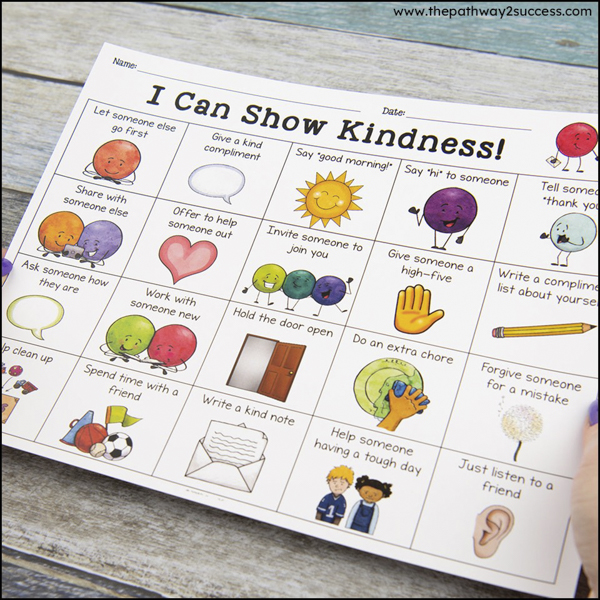
Kindness matters any time of year! Engage your brain and heart by intentionally practicing kindness regularly. You can get started by encouraging yourself to complete one random act of kindness a day, such as offering to help a relative with a chore, giving a compliment to someone, or tidying up an area without being asked.
Keep a strong sleep routine.
One of the best ways to keep your brain strong over the summer (and throughout the entire year) is to focus on a strong sleep routine. Let’s face it – sleep matters. Getting enough rest helps you stay focused, regulate your emotions, improve your memory, and just feel your personal best. Give these techniques a try:
- Consider sticking to an early bedtime, one that gives you enough hours of sleep before you wake in the morning.
- Choose calming activities before bedtime like reading a book or practicing deep breathing.
- Limit screen time before bed.
- Keep your digital devices charging outside of your bedroom.
Visit a library.
Your library can be a treasure trove of information and imagination. Take a visit to your local library to browse the bookshelves, learn about new topics, and take out some books to read on your own at home. You can also inquire about special events like author visits, book clubs, writing workshops, or art gallery activities.
Write in a journal.
Express your thoughts, feelings, and creative ideas with writing. Writing in a journal can help build self-expression, planning, and creativity. It can also strengthen healthy coping skills to manage stress and tough emotions, something we all need from time to time. Start by putting together your own personalized journal. You can grab a simple journal at your local store and decorate the cover to make it your own. Then, make it a daily habit to write once a day. Try to write for at least 10 minutes, allowing the thoughts and ideas to flow freely. Some question prompts to start off with include:
- What emotions have you felt so far today?
- What was the best thing that happened to you today?
- What do you feel grateful for?
- What makes you feel happy?
- What skills are you working on lately?
- What is something you look forward to?
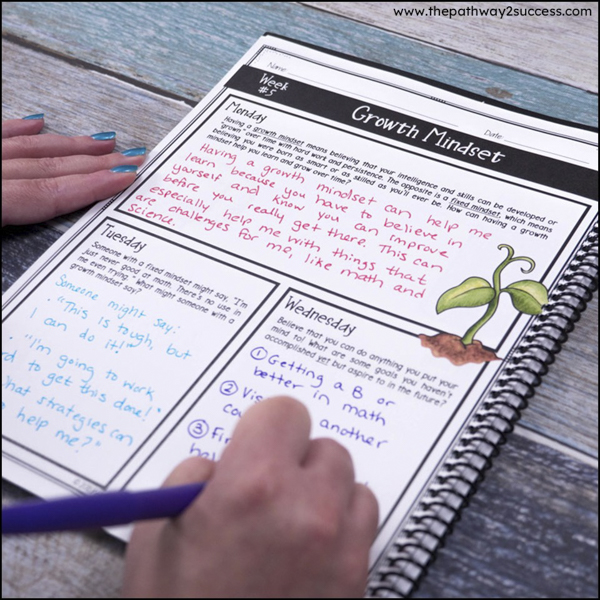
You can also opt for a more guided journal to teach social-emotional skills and more.
Create your own club.
Starting your own club can be a fun way to connect with others and make friends. Consider what types of interests you have that you could share with others. For instance, imagine that you really enjoy nature and wildlife. This might prompt you to start a birdwatching club. Once a week, you could gather with a few friends and family members to visit a local park and look for interesting birds in your area. Other club ideas include for board game group, community service helpers, art club, and photography club.
Have chat time.
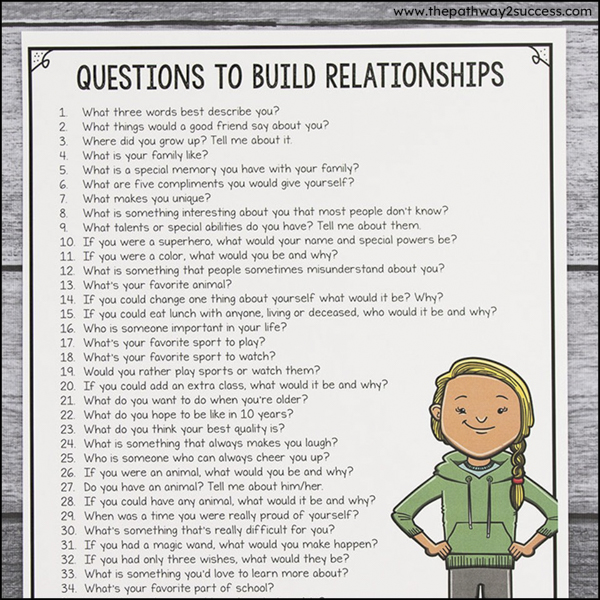
One simple way you can always engage your mind is to have meaningful conversations with those around you. Not sure what to talk about? Start with a list of relationship-building questions to get the open communication and discussion going!
Garden.
Getting active in your garden can be a fun way to be creative, connect with nature, and move your body. It’s also a fantastic way to keep your brain active through planning, focusing, and problem-solving through challenges. Here are some simple steps to get started:
- Research different types of plants, such as vegetables, flowers, and herbs. Choose just a few to begin with. You can always come back and add more later on.
- Prepare your garden by finding a spot in your yard, clearing it out, and getting the soil ready.
- Plant your small garden. Regularly tidy up the garden by weeding or pruning plants, depending on what it needs.
- Take photos of your progress along the way. You will be amazed at what you can do in just a short amount of time.
- Enjoy what you’ve grown! If you’ve chosen to grow vegetables, pick them when ripe. You can even share them with family or friends.
Read a quote of the day.
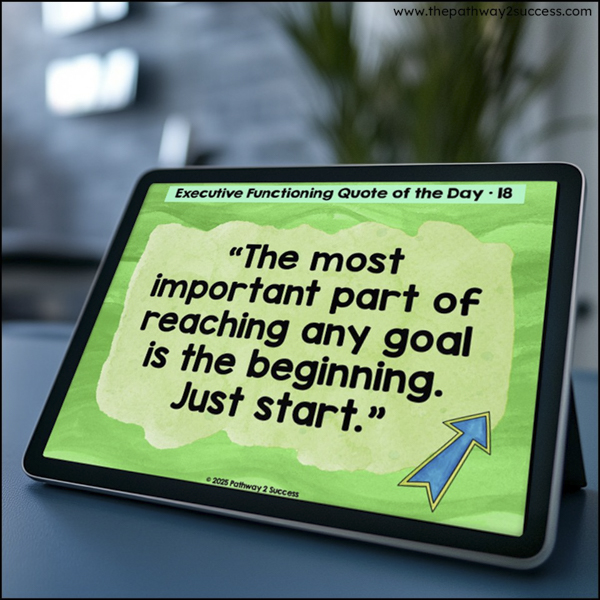
Reading a quote of the day is fun and meaningful way to reflect about life’s lessons. Research your own quotes to share and discuss, or get started with quotes focused on executive functioning skills. The idea is really simple; just read the quote and tlak about what it means with someone else. Some quotes to start off with include:
- “The biggest accomplishments start with just one small step.”
- “A calm mind is a more focused mind.”
- “All things are difficult before they are easy.”
- “Self-control is making choices for your future self.”
Practice nature photography.
Photography is an excellent way to explore the great outdoors and appreciate nature. Taking photos also gives you a lot to learn – skills like understanding lighting, composition, depth of field, and editing. To give it a try, head outside and take some photos of different plants, animals, and landscapes. You can extend your learning by putting together a slideshow of what you’ve observed on a short nature walk.
Solve math puzzles.
Embrace your problem-solving and critical thinking skills by challenging yourself with math puzzles. You might be able to find a book of math puzzles at your local dollar store. Another option is using online resources like Khan Academy or Math Playground for some activities to try.
Read to someone younger.
Do you have a younger sibling or neighbor nearby? Spend some time reading picture books aloud to them. Besides strengthening your own reading and fluency skills, reading to someone else can help you feel good by giving back.
Use educational learning apps.
Educational apps and websites are a great way to learn on your own. Best of all, you can find apps for all different topics from math and science to reading and different languages. Check out this list of digital tools, apps, and workbooks for building your executive functioning skills.
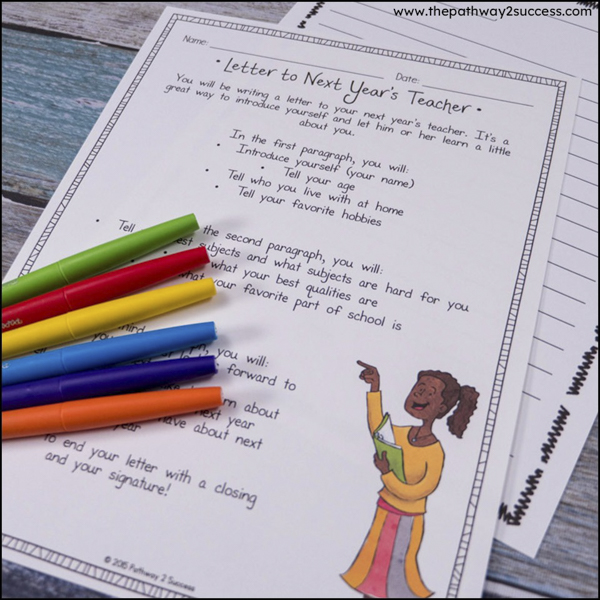
Write a letter to next year’s teachers.
Writing a letter to next year’s teachers can help transition from one school year to the next. If you’re not quite sure how to get started, you can use the outline below to give you some pointers:
- Paragraph 1: Introduce yourself! Share your name, your age, who you live with at home, and your favorite hobbies. Let your teacher know who you are as a unique person.
- Paragraph 2: Discuss your strengths and challenges. Tell your teacher which subjects are your favorite and which you struggle with sometimes. You can also mention your favorite part of the school day.
- Paragraph 3: Focus on the new year. Share what you are most looking forward to in the year ahead.
Try something completely new.
Be flexible and open-minded to give something completely new a try. This can be anything from joining a weekly nature club to eating at a restaurant you’ve never tried out before. Whatever it is, give it a try and see how it goes. The process of trying something new builds your brain and reminds you that you can do anything you put your mind to.



Leave a Reply